
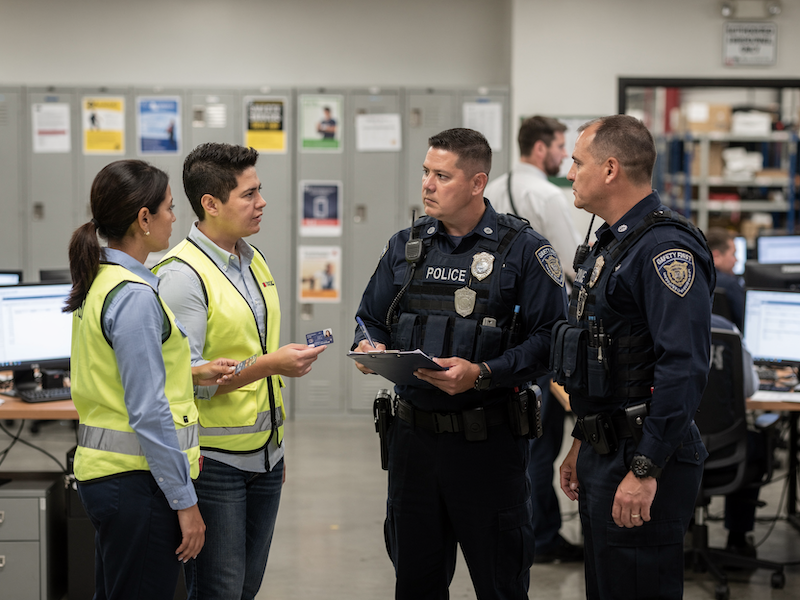
If you’re a Jamaican who moved to the United States in the last few years, you might feel a mix of hope and worry. Lately, there’s been a lot of talk about recent ICE raids and new immigration policies, especially under the Trump administration. Many immigrants are now asking, “Should I be concerned about the recent ICE raids?”
Let’s break down the facts, clear up common fears, and help you understand what these changes mean for you and your family.
What Are Ice Raids?
The Immigration and Customs Enforcement (ICE) is a government agency that enforces immigration laws. ICE raids are planned actions where officers look for people who may not have legal status in the US. These raids can happen at homes, workplaces, or even in public places.
While ICE has been active for many years, the Trump administration has increased the number and scope of these raids. Recent reports show that in 2019, ICE made over 143,000 administrative arrests, a 30% increase from 2016.
Why Are Jamaicans Especially Worried?
Many Jamaicans have migrated to the US for a better life, work, and family. But with the new policies, even those who have lived in the US for a short time feel at risk. Here’s why:
- Increased enforcement: The Trump administration ordered ICE to target a broader group of undocumented immigrants, not just those with criminal records.
- Publicity: Media often highlights raids in Caribbean and Latin American communities, making people more anxious.
- Uncertainty: Many new arrivals do not fully know their rights or how the law works.
Recent Immigration Changes Under Trump
The Trump administration changed several policies that directly affect recent Jamaican immigrants:
- Zero Tolerance Policy: Anyone found crossing the border without proper papers can be prosecuted, even for a first offense.
- Fewer Protections: The administration reduced options for asylum and temporary protections, making it harder to stay if you don’t have a green card.
- More Raids: ICE has more resources and officers, so raids are more frequent.
- Faster Deportations: “Expedited removal” means you could be sent home quickly if you can’t prove you’ve been in the US for at least two years.
- TPS Changes: Temporary Protected Status (TPS) for some Caribbean countries has ended or changed, affecting who can legally stay.
Example: Ice Raids In Jamaican Communities
In Florida, home to a large Jamaican population, there have been reports of ICE officers visiting apartment complexes and workplaces. While not everyone is affected, the fear is real. According to the Migration Policy Institute, nearly 60,000 Jamaicans in the US are undocumented, and many more live in mixed-status families.
Should You Be Worried?
The honest answer: it depends on your situation. Here’s a simple comparison to help you understand your risk:
| Status | Risk of ICE Raid | What You Should Do |
|---|---|---|
| US citizen or green card holder | Very low | Keep your documents safe |
| Visa holder (student, work, etc.) | Low if visa is valid | Follow visa rules strictly |
| Undocumented | High | Know your rights, avoid risky places |
If you are undocumented, your risk is higher. But even legal residents should keep their paperwork in order, as mistakes can happen.

Credit: www.youtube.com
How To Protect Yourself And Your Family
Here are practical steps you can take:
- Carry Identification: Always have a copy of your immigration documents.
- Know Your Rights: You do not have to open the door for ICE unless they have a warrant signed by a judge.
- Have a Plan: Decide who will care for children or pets if you are detained.
- Stay Calm: Do not run or resist if approached by ICE. Ask to speak to a lawyer.
- Connect with Support: Many Jamaican and Caribbean groups offer legal help and know-your-rights workshops.
What Not To Do
- Don’t lie to an immigration officer. This can make things worse.
- Don’t carry fake documents.
- Don’t ignore letters or court dates. Missing them can lead to deportation.
Common Misunderstandings About Ice Raids
Many people believe some things that are not true. Let’s clear up two of the biggest myths:
- “ICE only targets criminals.” This is no longer true. Under recent changes, anyone without legal status can be a target, even if you have no criminal record.
- “If I stay quiet, I’ll be safe.” While it is good to keep a low profile, it’s better to know your rights and be ready. Silence does not protect you from a raid.
How Ice Chooses Where To Raid
ICE often uses information from different sources:
- Past immigration records
- Tips from the public
- Checks at workplaces
Sometimes, ICE officers go into neighborhoods where many immigrants live. They may knock on doors or wait outside known gathering places.
Here’s a comparison of common raid locations:
| Location | Chance of ICE Visit | What to Do |
|---|---|---|
| Home | Medium | Don’t open door without a judge’s warrant |
| Workplace | High (if large immigrant staff) | Know employer’s policy |
| School/Church | Low (protected places) | Stay alert but don’t panic |
Non-obvious Insights For Jamaicans
- Mixed-status families can be affected. Even if you have legal status, someone in your home who doesn’t can put everyone at risk during a raid.
- Legal help is available but limited. Many legal aid groups are overwhelmed. It’s better to connect early and keep important contacts handy, rather than waiting until there is a problem.

Credit: abc11.com
Where To Find Reliable Information
Rumors spread fast, but not all of them are true. Trust official sources like the American Immigration Lawyers Association and your local Jamaican consulate. They can give you updates and legal advice. For more on US immigration enforcement, visit USCIS Enforcement Priorities.
Taking Care Of Your Mental Health
The stress of possible raids can be heavy. Don’t suffer alone. Many Jamaican churches and community groups offer support and counseling. Talking to others who understand your worries can make a big difference.
Final Thoughts
If you are a recent Jamaican immigrant in the US, it’s normal to feel concerned about ICE raids and changing immigration laws. The best approach is to stay informed, know your rights, and have a plan. Most importantly, don’t let fear control your life—protect yourself with knowledge, connect with your community, and seek help when you need it.
Frequently Asked Questions
What Should I Do If Ice Comes To My Door?
Stay calm. Ask to see a warrant signed by a judge before opening the door. If they do not have one, you do not have to let them in.
Are Legal Visa Holders At Risk During Ice Raids?
If your visa is valid and you follow all rules, your risk is low. However, always carry your documents to show your legal status.
Can Ice Raid My Workplace?
Yes, especially in industries with many immigrants. Know your rights and talk to your employer about their policy.
Where Can I Get Legal Help If I’m Detained?
Contact a trusted lawyer or a local Jamaican support group. You have the right to a lawyer, but not a free one.
How Do I Find Out About Future Immigration Changes?
Check official sources like the USCIS website, your consulate, or reliable news outlets. Avoid rumors from social media or unofficial sources.

Credit: penncapital-star.com